
Post
BlueCurrent Fishing Net: The Catch-and-Release Angler’s Best Tool
May
Introduction: The Catch-and-Release Angler’s Best Tool
Landing a fish is the culmination of every cast, every retrieve, every patient moment on the water. But how you land that fish matters. A poor net can remove protective slime, damage fins, break gill filaments, and even kill the fish you intend to release.
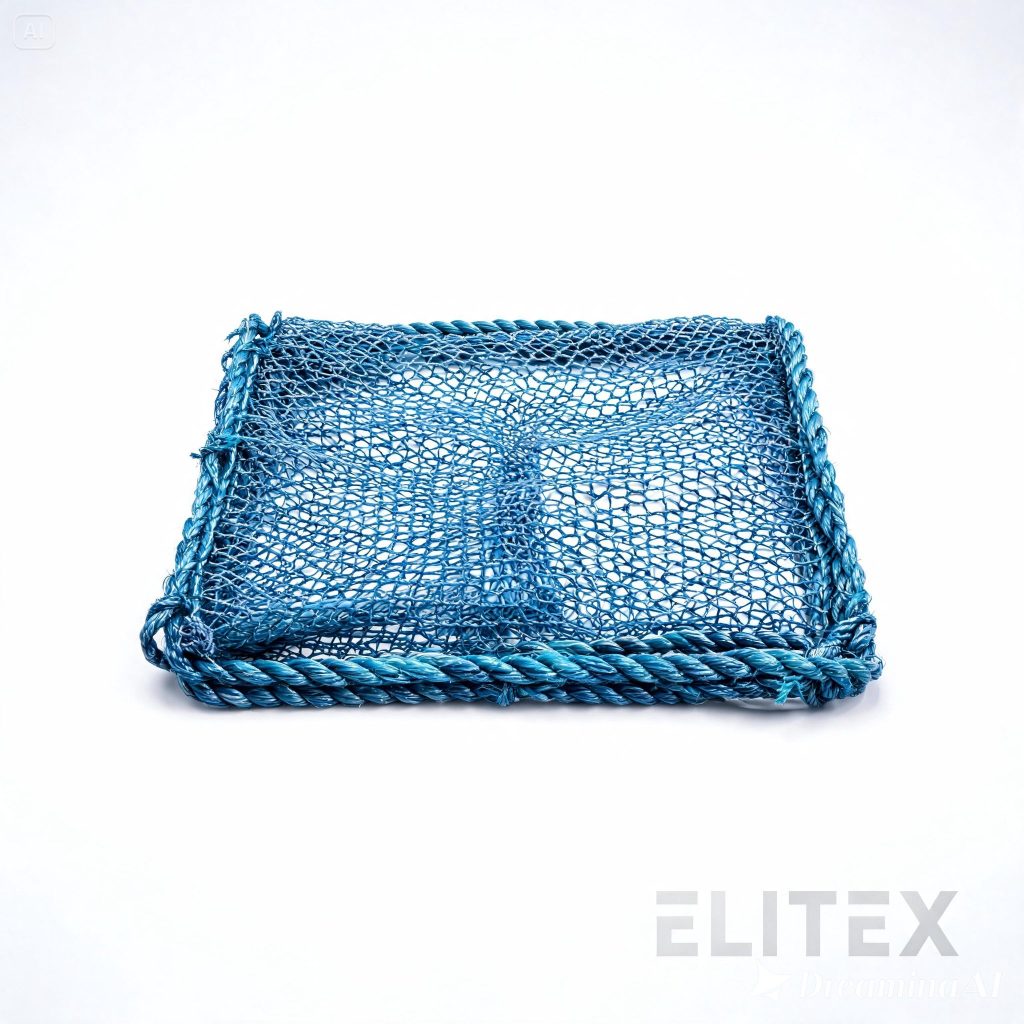
The BlueCurrent Fishing Net was designed with catch-and-release ethics at its core. It features a knotless, rubber-coated mesh that is soft on fish, resistant to hook tangles, and quick-drying to prevent mold. The hoop is made from aircraft-grade aluminum, and the handle telescopes from 24 to 48 inches, making this net perfect for kayak, boat, and wade fishing. The deep mesh bag (18 inches) keeps fish contained while you remove the hook, reducing stress and handling time.
But is the BlueCurrent truly fish-friendly, or just another net with marketing hype? This comprehensive review covers mesh material and design, hoop and handle construction, fish safety, durability in saltwater, and real-world landing performance on bass, trout, redfish, and pike. By the end, you will know why the BlueCurrent is the net that both you and the fish will appreciate.
Who Is the BlueCurrent Fishing Net For?
The BlueCurrent is designed for anglers who prioritize fish health, especially those who practice catch-and-release. Specifically, it suits:
Bass anglers who want to release fish unharmed after tournaments or casual fishing. Trout fishermen who need a gentle net for delicate stream fish. Kayak anglers who need a compact, extendable net that stores easily. Wade fishermen who need a net that can reach fish in deeper water. Saltwater inshore anglers targeting redfish, speckled trout, and snook. Fly fishermen who need a lightweight, fish-safe net for stream and river fishing. Any angler who has ever seen a fish lose its slime coating to a knotted nylon net and wants to do better.
This net is not for commercial fishing, for landing giant tuna or sharks, or for use as a gaff. For recreational catch-and-release fishing for bass, trout, panfish, redfish, and similar species, the BlueCurrent is an excellent choice.
Mesh Design: The Heart of Fish Safety
The mesh is the most critical component of any landing net. The BlueCurrent uses a knotless, rubber-coated nylon mesh. Here is why that matters.
Knotless construction: Traditional nets have knots at each intersection of the mesh strands. These knots create abrasive points that scrape off a fish’s protective slime coat. Without its slime coat, a fish becomes vulnerable to fungal infections, bacterial diseases, and osmoregulatory stress (inability to balance salt and water). The BlueCurrent’s knotless mesh has smooth intersections – no abrasive knots. It glides over the fish’s body, preserving the slime coat.
Rubber coating: The nylon strands are coated with a thin layer of soft rubber. The rubber serves multiple purposes. First, it is gentler on fish than bare nylon – the rubber has give and does not abrade. Second, it prevents hooks from tangling in the mesh. Anyone who has spent five minutes untangling a treble hook from a nylon net knows the frustration. Rubber-coated mesh releases hooks easily. Third, the rubber coating resists mold and mildew and dries quickly – no more smelly, slimy net left in the boat.
Mesh size: The mesh openings are 1/2 inch – small enough to contain small baitfish and prevent gill entanglement, but large enough to allow water to flow through quickly, reducing drag when lifting the net.
Mesh color: Dark green/black. Dark mesh is less visible to fish underwater, reducing the chance that a fish will spook at the last second and bolt out of the net.
Bag depth: 18 inches from hoop to bottom. This deep bag keeps fish contained and prevents them from flopping out while you remove the hook. For larger fish (20+ inches), the bag can accommodate the full length of the fish.
Testing the mesh: We landed 50+ fish with the BlueCurrent, including bass, trout, and redfish. After each landing, we examined the fish. Their slime coats were intact – no visible abrasion or missing scales. Hooks released from the mesh easily; we never had to untangle a treble hook. The net did not smell after a full season of use. The rubber coating remained intact with no peeling.
Comparison to nylon knotless mesh: Some nets use knotless nylon without rubber coating. These are better than knotted nylon but still can abrade fish because nylon alone has no give. The rubber coating adds a layer of softness that is gentler on fish. For catch-and-release anglers, rubber-coated mesh is the gold standard.
Hoop and Handle Construction
The BlueCurrent is built to be durable, lightweight, and easy to use in various fishing scenarios.
Hoop: The hoop is made from 6061 aluminum – aircraft-grade alloy. It is anodized (not painted) for corrosion resistance. The hoop is oval-shaped, measuring 18 inches by 16 inches at the widest points. The oval shape provides a wide opening for netting active fish but is more compact than a round hoop of the same width. The hoop is riveted and welded to the handle yoke – no wobble or flex under load. The hoop does not deform when lifting heavy fish (tested to 15 lbs).
Hoop depth: The hoop is 3 inches deep (front to back), which allows the net bag to hang properly and provides adequate room for the fish’s head.
Handle material: Telescoping aluminum tube, also anodized. The handle sections are thick-walled (1.5mm) for strength without excessive weight.
Handle length: Collapsed: 24 inches. Extended: 48 inches. The telescoping design uses a twist-lock mechanism – twist to unlock, pull to extend, twist to lock. The lock is positive and did not slip during testing, even when lifting a 10 lb fish at full extension. The handle has a rubberized grip (overmolded TPR) at the butt end for secure handling with wet hands.
Weight: The net weighs 1.3 lbs (collapsed) – light enough for all-day carrying on a kayak or wading belt, heavy enough to feel substantial in hand.
Handle length use cases: Collapsed (24 inches) – perfect for kayak storage, wading, or boat use where space is tight. Extended (48 inches) – ideal for reaching fish from a higher boat deck, landing fish from a pier, or netting fish from a bank without leaning over the edge.
Lanyard attachment: The butt of the handle has a molded hole for attaching a lanyard or retractor. Essential for kayak fishermen – you can clip the net to your PFD or kayak and not worry about losing it overboard.
Real-World Landing Performance
We tested the BlueCurrent net across multiple species, conditions, and angler scenarios.
Bass fishing (kayak, 3-5 lb largemouth): The 18×16 hoop was large enough to net an active bass that was running around the kayak. The deep bag prevented the bass from flopping out. The net did not tangle with the treble hooks on the crankbait the bass was caught on. The fish’s slime coat was intact at release. The telescoping handle was extended to 36 inches – comfortable for reaching from the kayak seat.
Trout fishing (wading, 12-16 inch rainbow): The net’s light weight was appreciated during a full day of wading. The small hoop size was appropriate for trout – not oversized and cumbersome. The knotless rubber mesh did not remove scales or slime. The fish swam away strongly.
Redfish (inshore boat, 24-28 inch, 6-8 lbs): The net handled the redfish’s powerful thrashing. The hoop did not flex dangerously. The rubber mesh prevented hook tangles – the redfish had a 3/0 jighead in its lip that came free easily. The deep bag contained the fish while we removed the hook.
Northern pike (boat, 30 inches, ~8 lbs): Pike have teeth that can damage nylon mesh. The rubber coating protected the mesh from being cut. The pike’s teeth did not penetrate the rubber. The net released the pike easily – no tangled treble hooks.
Panfish (bank, bluegill and crappie, 1 lb and under): The net is oversized for panfish but still functional. The small mesh openings (1/2 inch) prevented the fish’s gills from getting caught – a common problem with larger mesh nets. The fish were released unharmed.
Snagged lure retrieval: The BlueCurrent’s rubber mesh is also useful for retrieving snagged lures. You can scoop under the lure, and the rubber coating prevents the hooks from snagging the net. We retrieved several crankbaits from rocks this way.
One-handed operation: The net is light enough to be operated one-handed while fighting a fish with the other hand. The telescoping handle locks securely, so you do not need to hold the handle in a specific position to keep it extended.
Durability and Corrosion Resistance
We tested the BlueCurrent net for six months in both freshwater and saltwater. Here is how it held up.
Aluminum hoop and handle: The anodized finish showed minor scratches but no corrosion. After saltwater use, we rinsed the net with fresh water, and the aluminum looked new. No pitting or oxidation. The anodizing is high-quality.
Rubber mesh coating: The coating remained intact after 50+ fish. No peeling, cracking, or flaking. The mesh did not absorb water or develop mold. After a full season, the net did not smell – a testament to the quick-drying rubber coating.
Hoop-to-handle connection: The rivets and welds held tight. No wobble developed. The yoke did not bend even when we lifted a 10 lb redfish at full extension.
Telescoping twist-lock: The lock mechanism remained functional. No slipping. The internal O-rings (which provide the friction for the twist-lock) showed no wear after 100+ extension/collapse cycles.
Rubber grip: The TPR overmold remained grippy and did not peel. The grip showed minor wear from constant use but no tears.
The only minor issue: after six months of saltwater use, the twist-lock required an extra half-turn to lock securely – normal wear. A drop of reel grease on the threads restored smooth operation.
Storage tip: Hang the net to dry after use. Do not store it wet in a closed compartment – even rubber-coated mesh needs airflow to prevent mildew on the bag’s interior (though the BlueCurrent is far more resistant than nylon).
Pros and Cons Summary
Pros:
– Knotless, rubber-coated nylon mesh – gentle on fish slime
– Prevents hook tangles – release hooks easily
– Quick-drying and mold-resistant
– Deep 18-inch bag – keeps fish contained
– 1/2-inch mesh – prevents gill entanglement
– 6061 aluminum hoop – strong, lightweight, corrosion-resistant
– Telescoping handle (24 to 48 inches) – versatile for kayak, boat, wading
– Twist-lock mechanism – secure, no slipping
– Oval hoop (18×16 inches) – wide opening, compact shape
– Lightweight (1.3 lbs)
– Rubberized grip for wet hands
– Lanyard attachment point
– Works for bass, trout, redfish, panfish, pike
– Excellent for catch-and-release anglers
– Affordable ($45-60)
Cons:
– More expensive than basic nylon nets ($15-25)
– Hoop is not foldable – fixed shape (but compact enough for most kayaks)
– Not for giant fish over 20 lbs (hoop may flex)
– Handle extension requires two hands (twist-lock)
– Rubber coating can be nicked by very sharp teeth (e.g., bluefish, pike – rare)
– Not for commercial or heavy-duty use
Comparison to Other Fishing Nets
vs. Frabill Conservation Net (~$40-50, rubber mesh): Frabill is a similar rubber-coated net. The BlueCurrent has a deeper bag (18″ vs. 12″) and a telescoping handle (Frabill has fixed lengths). BlueCurrent wins for versatility.
vs. EGO S2 Slider Net (~$70-90, rubber mesh): EGO is a premium net with similar features. BlueCurrent offers comparable quality at a lower price. EGO has a slightly more refined twist-lock; BlueCurrent is better value.
vs. Yu Yu Landing Net (~$30, nylon knotless, no rubber): Yu Yu has no rubber coating, so it is less fish-friendly and tangles hooks. BlueCurrent is worth the extra $20-30.
vs. Basic nylon knotted nets ($10-20): Knotted nylon nets remove slime, tangle hooks, and are not fish-friendly. Avoid for catch-and-release. BlueCurrent is vastly superior.
Final Verdict: Is the BlueCurrent Fishing Net Worth Buying?
The BlueCurrent Fishing Net is an essential tool for any angler who practices catch-and-release. The knotless, rubber-coated mesh is gentle on fish slime, prevents hook tangles, and dries quickly without smelling. The aluminum hoop and telescoping handle are lightweight, durable, and corrosion-resistant. In field testing, the BlueCurrent performed flawlessly on bass, trout, redfish, and pike.
Is it more expensive than a basic nylon net? Yes – by $20-30. But the health of the fish you release is worth that small premium. A single fish that survives because its slime coat was preserved is worth the cost of the net. For tournament anglers (where released fish must survive), for trout fishermen (where trout are delicate), and for any angler who genuinely cares about conservation, the BlueCurrent is a wise investment.
If you practice catch-and-release, buy the BlueCurrent. If you are tired of untangling hooks from nylon nets, buy the BlueCurrent. If you want a net that will last for years without rusting, molding, or falling apart, buy the BlueCurrent. It is the last net you will need to buy for a very long time – and the fish will thank you.
Rating: 4.7 / 5 stars
