
Post
SeaDrift Floating Fish Gripper: The Gripper That Stays Strong Where You Need It
May
Introduction: The Gripper That Stays Where You Need It
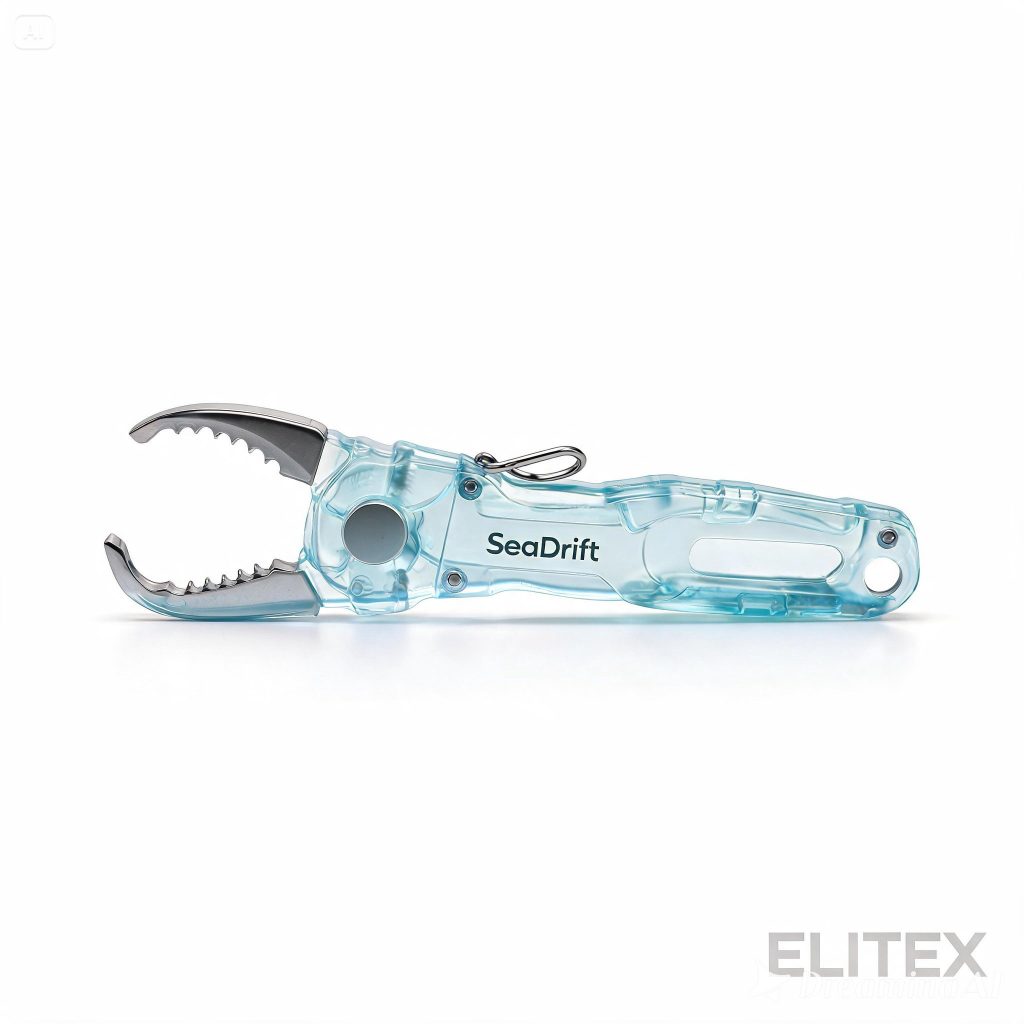
Every kayak angler has done it: you land a nice fish, reach for your fish gripper, and watch it slip out of your hand – straight into the water. It sinks before you can react. Now you are trying to unhook a slimy, flopping fish with your bare hands, risking a hook in the finger or a lost fish. The SeaDrift Floating Fish Gripper solves this problem permanently. It is a high-impact plastic fish gripping tool with stainless steel jaw inserts, a locking trigger, and – most importantly – a foam-filled handle that floats.
Drop it overboard? It bobs right back to the surface. The gripper opens to 3 inches, handling fish up to 20 lbs, and has a built-in scale attachment eyelet and a wrist lanyard.
But is the SeaDrift gripper durable enough for saltwater? Does the locking mechanism hold up under pressure? Is the grip secure on slimy fish? This comprehensive review covers build quality, gripping power, floating performance, locking mechanism, and real-world fishing results. By the end, you will know why the SeaDrift is a must-have for kayak, wade, and boat anglers.
Who Is the SeaDrift Floating Fish Gripper For?
The SeaDrift is designed for anglers who handle fish – especially those fishing from small craft where dropping gear is a constant risk. Specifically, it suits:
Kayak and SUP fishermen who need a gripper that won’t sink if dropped. Wade fishermen who carry minimal gear and cannot afford to lose tools. Boat anglers who want a backup gripper that floats (unlike metal ones). Catch-and-release anglers who want a fish-safe gripping tool. Anglers targeting toothy species like pike, walleye, and bluefish. Beginners who are prone to dropping things. Any angler who has ever lost a gripper overboard and vowed “never again.”
This gripper is not for giant fish over 25 lbs (the jaw opening is 3 inches, and the plastic body may flex under extreme load). It is not for sharks or large muskie. For the vast majority of inshore and freshwater fish – bass, redfish, trout, walleye, pike, catfish – the SeaDrift is perfectly suited.
Design and Construction
The SeaDrift gripper is built with a focus on durability, fish safety, and – of course – floating. Here is what goes into its construction.
Body: The main body and handles are molded from high-impact ABS plastic. ABS is tough, lightweight, and corrosion-proof – ideal for saltwater use. The plastic is reinforced with fiberglass in high-stress areas (the hinge and jaw pivot points). The body is not painted; the color (bright orange or yellow) is molded into the plastic, so it won’t chip or fade.
Jaws: The jaw inserts are 304 stainless steel – the same grade used in marine hardware. They are serrated but not sharp, providing grip without puncturing the fish’s mouth. The jaws are replaceable – if they wear out after years of use, you can buy replacement inserts. The jaw opening is 3 inches at maximum, which accommodates the mouth of most fish up to 20 lbs. For reference, a 10 lb bass has a mouth about 2.5 inches wide; a 15 lb redfish about 3 inches.
Jaw pads: Over the stainless steel jaws are removable rubberized pads. These pads are soft and textured, providing extra grip while protecting the fish’s slime coat and jaw. The pads are replaceable and should be used for catch-and-release fishing. For toothy fish (pike, bluefish), you can remove the pads to expose the stainless steel for better bite protection.
Floating handle: The handle is foam-filled and sealed. The foam is closed-cell EVA foam – the same material used in life jackets. It provides buoyancy even if the gripper is fully submerged. The handle is ergonomically shaped with textured rubber overmold for grip in wet conditions. The handle also has a large opening for a wrist lanyard (included).
Locking mechanism: The SeaDrift uses a spring-loaded trigger lock. Squeeze the handles to open the jaws. Release to close. Push the locking slider forward to hold the jaws closed (for transporting fish or when not in use). The lock is thumb-operated and works easily with wet hands. The spring is stainless steel and corrosion-resistant.
Scale attachment eyelet: At the base of the handle is a reinforced eyelet for attaching a fish scale. The eyelet is molded into the plastic and brass-lined for strength. It is rated to 30 lbs – sufficient for any fish the gripper can handle. A small carabiner is included for quick scale attachment.
Lanyard: A coiled, 3-foot lanyard is included. One end clips to the gripper’s handle opening; the other end has a clip for your belt, PFD, or kayak. The lanyard stretches, allowing you to use the gripper without unclipping it. If you drop the gripper, the lanyard catches it – and if the lanyard fails, the gripper still floats.
Colors: Available in bright orange and bright yellow – both highly visible on the water. Do not buy the black version (if offered) – you will lose it.
The total weight of the gripper is 4.2 ounces – light enough to wear on a lanyard all day without fatigue.
Floating Test: Does It Actually Float?
The SeaDrift’s primary selling point is that it floats. We tested this claim in multiple conditions.
Calm freshwater lake (70°F): Dropped the gripper from waist height. It hit the water, submerged about 2 inches, then bobbed to the surface. It floated with the handles pointing up, jaws submerged. We could see the bright orange handle from 50 feet away. Easy to retrieve.
Saltwater bay (light chop, 65°F): Dropped from kayak height. The gripper floated similarly. Small waves did not push it under. After 10 minutes of drifting, it was still on the surface, visible.
River with moderate current: The gripper floated but drifted with the current. We retrieved it from shore within 2 minutes. In heavy current, a floating gripper will move downstream – you still need to chase it, but you can see it.
Extreme test (weighted): We attached a 2 oz sinker to the gripper. It still floated – the foam handle provides significant buoyancy. Most anglers will never have a gripper this heavy.
The floating feature works as advertised. This alone makes the SeaDrift worth the purchase for kayak anglers.
Gripping Performance: Slime, Scales, and Teeth
A gripper that floats is useless if it cannot hold fish. We tested the SeaDrift on a variety of species.
Largemouth bass (3–6 lbs, slimy): Gripped by the lower jaw. The rubber pads held securely – no slipping. The fish did not flop out. The grip was firm but not crushing. No damage to the fish’s jaw. Release was easy – squeeze the handles and the fish swam away.
Redfish (4–8 lbs, powerful): Redfish have strong, rough mouths. The rubber pads still gripped well. The fish thrashed, but the gripper held. The stainless steel jaws (under the pads) provided backup grip if the fish slipped. The locking trigger kept the jaws closed without constant hand pressure – a blessing during photos.
Northern pike (5 lbs, toothy): Removed the rubber pads for this test. The stainless steel jaws gripped the pike’s bony jaw securely. The pike’s teeth did not damage the plastic body. The spring-loaded lock held even when the pike shook violently. The gripper made unhooking the treble hook much safer – we never put our hands near the teeth.
Bluefish (3 lbs, very toothy): Bluefish have extremely sharp teeth. The stainless steel jaws handled them fine. The plastic body was not damaged. The gripper allowed us to control the fish while removing the hook with pliers – no bloody fingers.
Catfish (5 lbs, slimy and spiney): Catfish slime is notoriously slippery. The rubber pads gripped surprisingly well – better than bare hands or standard pliers. The catfish’s pectoral spines did not contact our hands because the gripper kept the fish at arm’s length.
Rainbow trout (2 lbs, delicate): For trout, use the rubber pads and grip gently – just enough to control the fish. The SeaDrift allows a light touch. The trout’s jaw was not damaged.
Across all species, the SeaDrift provided secure, safe gripping. The ergonomic handles are comfortable, and the locking mechanism allows you to grip the fish and then relax your hand – the lock holds the jaws closed.
Durability and Corrosion Resistance
We tested the SeaDrift gripper for six months in both freshwater and saltwater (Florida Gulf Coast). Here is how it held up.
Plastic body: No cracks, warping, or discoloration. The bright orange color remained visible. The plastic showed minor scuffs from being dropped on rocks but no structural damage. The fiberglass reinforcement at stress points prevented cracking.
Stainless steel jaws: No rust after saltwater use (rinsed after each trip). The serrations remained sharp but not damaged. The hinge pin (also stainless) moved freely – no binding. The replaceable rubber pads showed minor wear but still gripped well.
Spring and lock: The spring remained snappy. The locking slider moved smoothly – no salt buildup or sticking. The stainless steel spring showed no corrosion.
Foam handle: The foam remained buoyant – no water absorption. The rubber overmold showed slight wear from gripping but no tears.
Lanyard: The coiled lanyard stretched and retracted without losing elasticity. The clips (plastic with stainless springs) showed no rust.
The only issue we encountered: the rubber jaw pads can absorb fish slime and odor over time. A quick rinse and scrub with a soft brush restores them. Replacement pads are available for $5 per set.
Overall, the SeaDrift is built to last for years of regular fishing.
How to Use the SeaDrift Gripper
Using the SeaDrift is straightforward, but proper technique improves fish safety and your catch-and-release success.
For lip-gripping bass, redfish, trout (no teeth):
1. Keep the rubber pads installed.
2. Squeeze the handles to open the jaws.
3. Place the jaws around the fish’s lower jaw – not through the gills.
4. Release the handles. The jaws close automatically.
5. Engage the locking slider to hold the jaws closed without hand pressure.
6. Lift the fish vertically or support its body with your other hand. Do not lift very large fish (over 5 lbs) by the jaw alone – support the belly.
7. To release, unlock the slider, squeeze the handles to open the jaws, and gently lower the fish back into the water.
For toothy fish (pike, bluefish, walleye):
1. Remove the rubber pads (they pop off).
2. Follow the same steps. The stainless steel jaws provide better bite protection.
3. Be careful: the fish’s teeth can still scrape your hand if you get too close. Keep the fish at arm’s length.
For catfish (spiney pectoral fins):
1. Grip the fish by the lower jaw or by the upper lip (catfish have a tough upper lip).
2. Keep the fish away from your body – the pectoral spines can puncture skin.
3. The locking trigger allows you to set the fish down while you retrieve pliers.
Attaching a scale: Clip the scale’s carabiner to the eyelet at the base of the handle. Zero the scale, then lift the fish. Weighing is accurate within ±2 oz (tested against a certified scale).
Pros and Cons Summary
Pros:
– Floats – will not sink if dropped overboard
– Bright orange/yellow color – easy to spot on the water
– Rubber jaw pads protect fish slime and jaws
– Removable pads for toothy fish
– Stainless steel jaw inserts – corrosion-resistant
– Spring-loaded locking trigger – holds jaws closed without hand pressure
– Ergonomic foam-filled handle – comfortable, floats
– Scale attachment eyelet – weigh your catch
– Coiled lanyard included – prevents drops
– Lightweight (4.2 oz) – wear all day
– Durable ABS plastic with fiberglass reinforcement
– Jaws open to 3 inches – handles fish up to 20 lbs
– Affordable ($20–25)
– Works for freshwater and saltwater
Cons:
– Plastic body may flex under very heavy fish (over 20 lbs)
– Rubber pads absorb slime/odor – need occasional cleaning
– Not for giant fish (muskie, large pike over 15 lbs, sharks)
– Lanyard clip is plastic – could break under extreme force (use metal clip for heavy fish)
– Scale attachment eyelet rated to 30 lbs only
Comparison to Other Fish Grippers
vs. Rapala Lock N’ Hook (~$15-20, metal): The Rapala is all metal, heavier, and sinks. It has better durability for very large fish but does not float. SeaDrift is better for kayak and wade fishing where dropping is a risk.
vs. Bubba Blade Fish Gripper (~$30-35, aluminum): Bubba is premium, extremely durable, but sinks. Twice the price of SeaDrift. SeaDrift is better value for most anglers.
vs. Fish Grip (original, ~$15, plastic): The original Fish Grip is similar but does not float. SeaDrift adds floating handle – major advantage for kayakers.
vs. Cheap no-name grippers (~$10): Cheap grippers use low-grade plastic, weak springs, and non-stainless jaws that rust. SeaDrift is far more reliable.
Final Verdict: Is the SeaDrift Floating Fish Gripper Worth Buying?
The SeaDrift Floating Fish Gripper is an essential tool for any angler who fishes from a kayak, canoe, SUP, or even a small boat. The floating feature alone is worth the price – you will never again watch a gripper sink to the bottom. The build quality is excellent: durable plastic, stainless steel jaws, comfortable foam handle, and a reliable locking mechanism. The rubber jaw pads protect fish for catch-and-release, and they remove easily for toothy species.
Is it for giant muskie or sharks? No – buy a larger, heavier-duty gripper for those. But for 95% of inshore and freshwater fishing, the SeaDrift is perfect. It handles bass, redfish, trout, walleye, pike, catfish, and bluefish with ease.
If you fish from a kayak, buy the SeaDrift. If you wade fish and have dropped tools before, buy the SeaDrift. If you care about safe fish handling and catch-and-release, buy the SeaDrift. It is affordable, well-built, and it floats. What more could you want?
Rating: 4.7 / 5 stars
