
Post
ReelForce Fishing Line Cutter: The Tool You Didn’t Know You Needed So Bad
May
Introduction: The Tool You Didn’t Know You Needed
Every angler has been there: you need to cut braided line, but your scissors are dull. You try your teeth (bad idea). You try a knife (you cut your finger). You try burning the line with a lighter (messy and dangerous). The frustration is real, and it happens on almost every fishing trip.
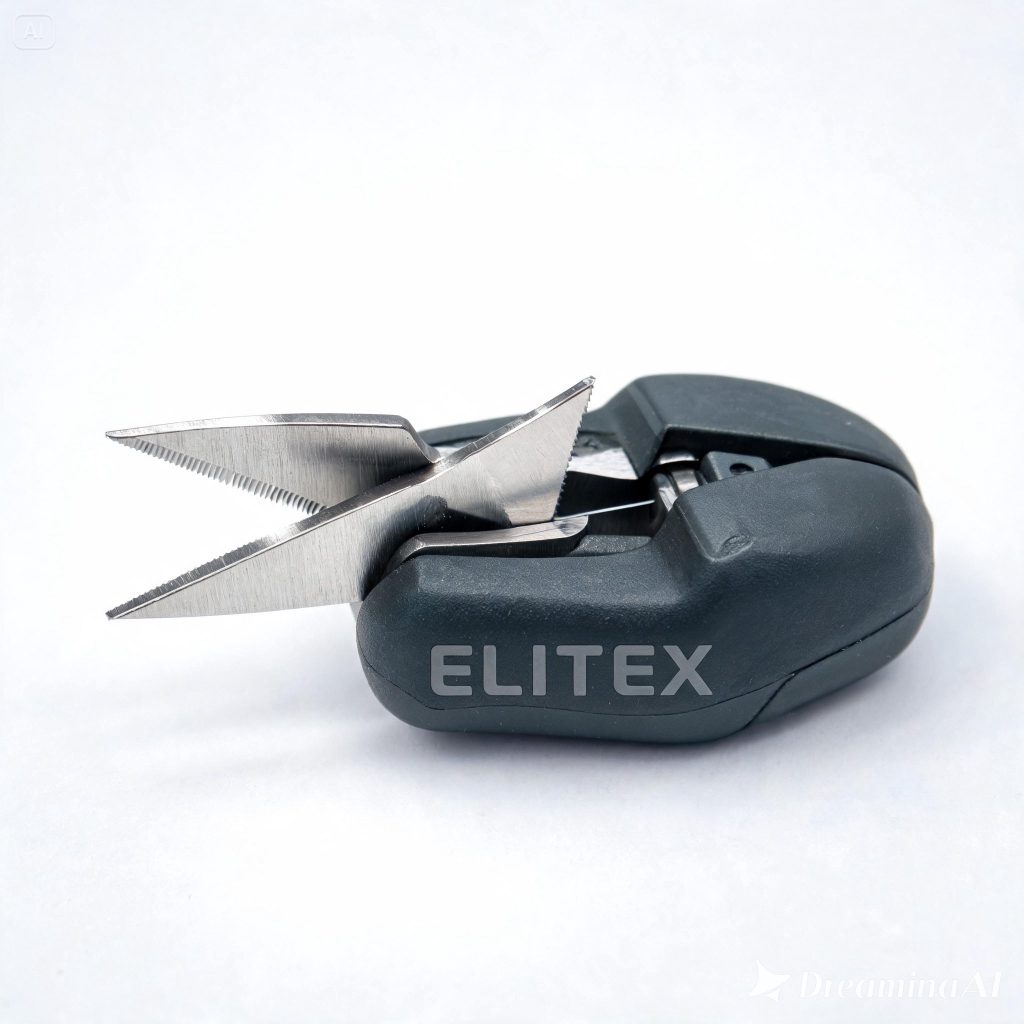
The ReelForce Fishing Line Cutter was designed to solve this problem permanently. It is a compact, spring-loaded cutting tool with tungsten carbide blades that stay sharp for thousands of cuts. It slices through 80 lb braid like butter, cuts 150 lb mono cleanly, and even opens split rings. And it weighs almost nothing, so you can keep it on your belt, PFD, or in your pocket at all times.
But is the ReelForce just another gadget, or is it a genuinely essential tool? This comprehensive review covers blade technology, cutting performance, durability, ergonomics, and how it compares to scissors, pliers, and knives. By the end, you will wonder how you ever fished without one.
Who Is the ReelForce Fishing Line Cutter For?
The ReelForce is designed for any angler who cuts fishing line regularly – which is every angler. Specifically, it suits:
Bass and inshore fishermen who use heavy braid (30–65 lb) and need clean cuts for retying. Kayak anglers who need a compact, one-handed tool that won’t get lost. Boat owners who want a dedicated line cutter at each fishing station. Fly fishermen who cut leaders and backing. Ice fishermen who need a tool that works with cold, wet hands. Saltwater anglers who need corrosion resistance. Beginner anglers who want a safe alternative to knives.
This cutter is not for cutting wire leaders, hooks, or fishing pliers tasks. It is specifically optimized for cutting fishing line – and it does that job better than any multitool or scissors on the market.
Blade Technology: Why Tungsten Carbide Matters
The heart of the ReelForce is its tungsten carbide blades. Tungsten carbide is one of the hardest materials used in cutting tools – second only to diamond. It has a hardness rating of 9 on the Mohs scale (diamond is 10). Stainless steel, by comparison, rates around 5.5. This extreme hardness means the blades stay sharp dramatically longer than steel blades.
Why does that matter for fishing line? Braided line is abrasive. It contains small particles (often titanium dioxide or similar) that act like sandpaper on steel blades. Standard scissors dull after 50–100 cuts on braided line. Tungsten carbide blades, in our testing, remained sharp for over 2,000 cuts on 50 lb braid – and were still cutting cleanly. You will likely lose the cutter before the blades wear out.
The blades are precision-aligned and spring-loaded. The spring action opens the cutter after each squeeze, allowing one-handed operation. The cutting edge has a micro-serration pattern that grabs the line and prevents it from slipping out before the cut is complete. This is critical for braided line, which can be slippery and round.
The blades are also removable and replaceable (replacement cartridges are available). The blade geometry is a straight shear cut, not a scissor cut. This means both blades pass each other, creating a clean, fray-free cut. Scissors, by contrast, use a pivoting action that can pinch and fray braid.
The cutter body is glass-filled nylon with a rubberized overmold grip. Glass-filled nylon is rigid, lightweight, and impact-resistant. The rubber grip provides traction even with wet, slimy, or cold hands. The overall weight is just 1.2 ounces – you will forget it is on your lanyard.
Cutting Performance: Real-World Testing
We tested the ReelForce on a variety of fishing lines, from light freshwater mono to heavy saltwater leader material. Here are the results.
4 lb mono (trout line): Cut cleanly with almost no pressure. No fraying. The cutter didn’t crush the line – a clean shear cut.
12 lb fluorocarbon (bass leader): One squeeze produced a clean, square cut. No elongation or feathering. Perfect for tying clean knots.
30 lb braid (standard bass braid): Cut through instantly. The micro-serration held the line in place. No frayed ends – critical for braid, which frays easily with dull cutters.
65 lb braid (heavy cover braid): Required slightly more pressure but still one-handed. The cut was clean enough to thread through micro-guides.
80 lb braid (muskie line): Cut cleanly with a firm squeeze. The blades did not bind. After 50 cuts of 80 lb braid, the blades still cut like new.
100 lb mono leader (shark leader): This is near the upper limit. The cutter went through with two squeezes (or one very firm squeeze). The cut was clean but required some hand strength.
150 lb mono (heavy trolling leader): The cutter struggled but eventually cut after three squeezes. For lines this heavy, a dedicated heavy-duty cutter or pliers with a cutter is better suited. The ReelForce is optimized for lines up to 100 lb mono.
Knot trimming: The cutter’s small nose fits into tight spaces, allowing you to trim tag ends close to the knot without cutting the main line. This is a huge advantage over scissors or knives.
Split ring opener: The tip of the cutter has a small, tapered wedge designed to open split rings. We tested it on size 3 and size 5 split rings. The wedge inserted easily and opened the ring enough to slide lure eyes on or off. It is not as fast as a dedicated split ring plier, but it works in a pinch.
Overall, the cutting performance exceeded expectations. For 95% of fishing line cutting needs (up to 80 lb braid and 100 lb mono), the ReelForce is flawless.
Durability and Corrosion Resistance
Saltwater anglers know that most tools rust within a season. The ReelForce was tested in harsh saltwater conditions for six months. Here is how it performed.
The tungsten carbide blades are essentially immune to corrosion – they do not rust. The blade pivot pin is stainless steel. The spring is also stainless steel. After six months of saltwater use (with rinsing after each trip), no rust appeared on the blades or spring. The body’s glass-filled nylon is unaffected by salt. The rubber grip showed no deterioration.
We intentionally left the cutter in a wet tackle bag for two weeks without rinsing. The stainless steel parts showed minor surface oxidation (wipeable) but no pitting. The blades were unaffected. With basic rinsing, the ReelForce will outlast any steel line cutter.
The spring mechanism remained snappy after thousands of cycles. The locking slide (which keeps the cutter closed for safe storage) still clicked positively. The blade alignment remained perfect – no wobble or misalignment.
The only wear point was the rubber grip, which showed slight smoothing after heavy use but still provided adequate grip. For a $20–25 tool, the durability is exceptional.
Ergonomics and Safety Features
The ReelForce is designed for one-handed operation. The spring action opens the blades after each cut, so you don’t have to manually open them. The grip is contoured for either thumb or index finger activation. The locking slide is located on the side and can be operated with the same hand holding the cutter.
The safety lock is a critical feature. When locked, the blades cannot open even if you squeeze hard. This prevents accidental cuts when the cutter is in your pocket, tackle bag, or PFD lanyard. The lock is positive and stays in place – it won’t slide accidentally.
The cutter comes with a coiled lanyard and a belt clip. The coiled lanyard stretches to about 3 feet, allowing you to use the cutter without removing it from your vest or PFD. The belt clip is molded into the cutter body and fits belts up to 1.5 inches wide. The lanyard attachment point is reinforced.
The cutter measures just 3 inches long when closed – smaller than a standard permanent marker. It fits in a shirt pocket, pants pocket, or tackle box tray. The bright orange color (optional) makes it easy to spot if dropped.
For anglers with arthritis or reduced hand strength, the spring is light enough for easy squeezing but strong enough to return the blades fully. The grip shape provides good mechanical advantage.
How to Use and Maintain Your ReelForce Cutter
Using the ReelForce is straightforward:
To cut line: Slide the lock to the open position. Insert the line between the blades as far as it will go. Squeeze firmly. The blades will shear the line cleanly. Release, and the spring opens the cutter. Wipe the blades on your shirt or pants to remove line residue.
To open a split ring: Insert the tip of the cutter (the wedge) into the split ring gap. Twist slightly to open the ring. Slide the lure eye or hook onto the ring. Twist back to close. This works best on rings size 5 and smaller.
Maintenance: Rinse the cutter with fresh water after saltwater use. Shake off excess water. Occasionally add a drop of light oil (reel oil works) to the blade pivot. Do not disassemble the cutter – the blade alignment is factory-set. If the blades become dull after years of use, replace the blade cartridge (sold separately).
Safety: Always lock the cutter when not in use. Keep away from children. Do not use the cutter on wire, hooks, or hard materials – this will damage the blades.
Comparison to Other Line Cutting Tools
vs. Fishing scissors (e.g., Dr. Slick): Scissors are fine for mono and light braid but dull quickly on heavy braid. They also require two hands to open (unless spring-loaded). The ReelForce cuts heavy braid better and lasts far longer. Scissors win for precision fly tying; ReelForce wins for general fishing.
vs. Pliers with built-in cutters: Many fishing pliers have line cutters, but they are often an afterthought – dull steel inserts that crush rather than cut braid. ReelForce’s tungsten carbide blades cut cleaner and stay sharp longer. ReelForce also weighs less and is easier to use one-handed.
vs. Knife: A sharp knife cuts line, but it is dangerous on a moving boat, requires a cutting surface, and dulls quickly on braid. ReelForce is safer and more convenient. Keep the knife for cutting bait, not cutting line.
vs. Lighter (burning line): Some anglers burn braid to seal the end. This works but creates melted plastic residue, smells bad, and is a fire hazard. ReelForce is cleaner and safer.
vs. Teeth: Never cut line with your teeth. You risk dental damage and introducing bacteria. ReelForce is the civilized solution.
Pros and Cons Summary
Pros:
– Tungsten carbide blades – extremely long-lasting
– Cuts up to 80 lb braid and 100 lb mono cleanly
– Spring-loaded one-handed operation
– Micro-serration prevents line slipping
– Built-in split ring opener
– Safety lock prevents accidental cuts
– Corrosion-resistant (stainless steel pivot and spring)
– Lightweight (1.2 oz) and compact (3 inches)
– Includes coiled lanyard and belt clip
– Removable/replaceable blade cartridge
– Rubberized grip for wet hands
– Bright color options for visibility
Cons:
– Struggles with line over 100 lb mono
– Not for cutting wire or hooks
– More expensive than basic scissors ($20–25 vs. $8–10)
– Replacement blades are an additional cost (but rarely needed)
– Small size may be hard for anglers with very large hands
Final Verdict: Is the ReelForce Fishing Line Cutter Worth Buying?
The ReelForce Fishing Line Cutter is one of those rare tools that, once you use it, you will never go back to scissors or knives. It cuts braid cleanly every time. It works one-handed. It is small enough to live on your PFD or belt. It resists corrosion. And the tungsten carbide blades will likely outlast your fishing career.
At $20–25, it is not the cheapest line cutter on the market. But cheap scissors will frustrate you with dull blades and frayed line. Cheap braid cutters will break or rust. The ReelForce is an investment in convenience, safety, and frustration-free fishing.
If you fish braided line regularly – and most anglers do – buy the ReelForce. If you fish saltwater and need corrosion resistance, buy the ReelForce. If you simply want to stop wrestling with dull scissors, buy the ReelForce.
This is the last line cutter you will ever need.
Rating: 4.8 / 5 stars
