
Post
RapidCast Baitcasting Reel: Master the Baitcaster
May
Introduction: Master the Baitcaster
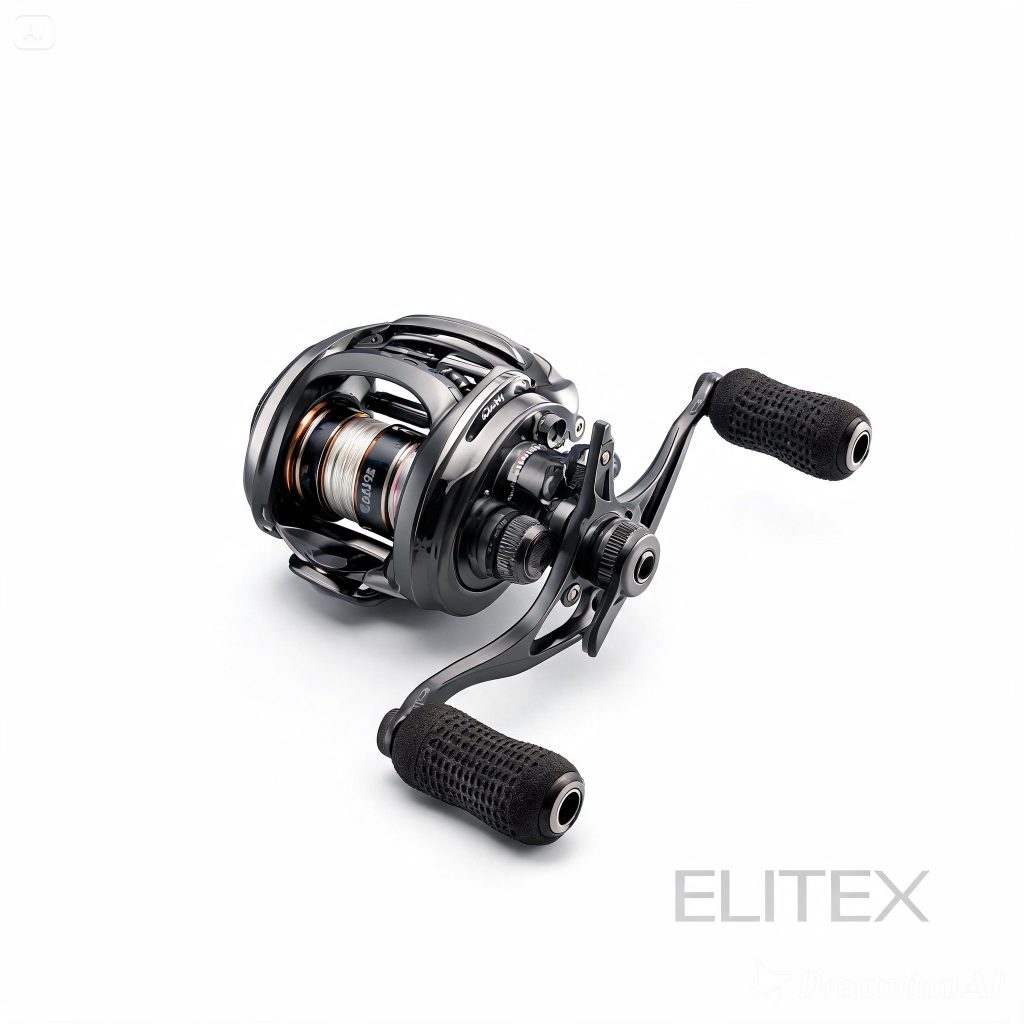
Baitcasting reels offer unparalleled control, casting accuracy, and power for serious anglers. But they also have a reputation for being difficult to learn – primarily because of the dreaded backlash (bird’s nest). The RapidCast Baitcasting Reel was designed to make baitcasting accessible without sacrificing performance. It features a dual-brake system (magnetic and centrifugal) that virtually eliminates backlashes, a lightweight aluminum frame, a 7.2:1 high-speed gear ratio, and a carbon fiber drag system with 18 lbs of stopping power. Whether you are a beginner learning to cast or a tournament angler needing a reliable workhorse, the RapidCast delivers.
But is the RapidCast a genuine advancement in baitcasting technology, or just another budget reel with marketing hype? This comprehensive review covers brake system performance, build quality, casting distance, drag smoothness, durability, and real-world fishing results. By the end, you will know whether the RapidCast is the baitcaster you have been looking for.
Who Is the RapidCast Baitcasting Reel For?
The RapidCast is designed for anglers who want the power and accuracy of a baitcaster without the frustration. Specifically, it suits:
Beginner baitcaster users who need a forgiving brake system to learn on. Intermediate anglers who want a reliable reel for everyday fishing. Tournament competitors who need a backup reel or a workhorse for techniques like pitching, flipping, and cranking. Bass anglers targeting largemouth and smallmouth. Inshore saltwater anglers fishing for redfish, snook, and speckled trout. Kayak and boat fishermen who need a compact, powerful reel. Any angler tired of backlashes who wants to enjoy baitcasting.
This reel is not for heavy saltwater surf fishing (use a sealed reel) or for giant tuna (use a conventional reel). For freshwater bass fishing and light inshore use, the RapidCast is an excellent choice.
Braking System: Dual Control for Backlash Prevention
The RapidCast features a dual-brake system: 6-pin centrifugal brakes on the spool and an externally adjustable magnetic brake on the side plate. Together, they provide backlash control for virtually any casting situation.
Centrifugal brakes (6 pins): Located on the spool, these brakes apply friction during the initial high-speed rotation of the spool at the beginning of the cast. This is when most backlashes occur – the spool spins faster than the line can leave it. Each pin can be set to “on” (pushed outward) or “off” (pushed inward). For beginners, start with all 6 pins on. As you improve, turn off pins to increase casting distance. The centrifugal brakes are the primary control for preventing backlashes.
Magnetic brake: Located on the side plate, this brake uses magnets to apply a consistent, adjustable friction throughout the cast. It is most effective at the end of the cast, when the spool is slowing down. The magnetic brake is adjusted with an external dial (0-10). Higher settings (8-10) are for heavy lures or windy conditions; lower settings (2-4) are for light lures or maximum distance.
How to set the brakes for beginners: Turn all 6 centrifugal pins ON. Set the magnetic brake to 8. Spool tension knob (next to the handle) – adjust so the lure falls slowly when you release the spool. Practice casting. As you gain confidence, reduce the magnetic brake to 6, then 4, then 2. Eventually, you can turn off some centrifugal pins.
Testing the brakes: We had a first-time baitcaster user practice with the RapidCast. With all brakes engaged, they made 20 casts without a single backlash. The reel is genuinely forgiving. An experienced user turned off 4 centrifugal pins and set the magnetic brake to 3 – achieved long, smooth casts with rare minor backlashes (easily picked out). The dual-brake system is highly effective.
Comparison to other brake systems: Some reels use only magnetic brakes (less effective at preventing initial backlashes) or only centrifugal (less convenient to adjust). The RapidCast’s dual system is the best of both worlds.
Build Quality and Construction
The RapidCast is built to withstand the rigors of regular fishing. Here is what goes into its construction.
Frame: One-piece aluminum frame. Aluminum is rigid, which prevents flex under heavy loads. Flex in a baitcaster frame can cause gear misalignment and reduced casting performance. The one-piece design (as opposed to a two-piece frame) adds strength. The frame is machined, not cast, for tighter tolerances.
Side plates: Graphite composite. Graphite is lightweight and corrosion-resistant. The non-handle side plate is removable for accessing the centrifugal brakes.
Gears: Brass main gear and pinion gear. Brass is durable and resists wear better than aluminum or zinc alloys. The gears are precision-cut for smooth engagement.
Bearings: 7+1 stainless steel ball bearings (7 internal, 1 roller bearing for anti-reverse). Stainless steel bearings resist corrosion. The 7+1 configuration provides smooth rotation under load. The anti-reverse bearing is instant – no handle back-play.
Gear ratio: 7.2:1. This is a high-speed reel – each turn of the handle retrieves 28 inches of line (with a standard spool). High-speed reels are excellent for techniques that require picking up line quickly: flipping, pitching, frogging, and buzzbaits. The 7.2:1 ratio is also suitable for Texas rigs, jigs, and spinnerbaits. For deep cranking, a slower ratio (5.4:1 or 6.2:1) is better, but the RapidCast can still crank with a slower retrieve.
Line capacity: 12 lb mono: 120 yards. 30 lb braid: 140 yards. 50 lb braid: 110 yards. Sufficient for bass fishing and inshore use.
Weight: 7.6 ounces. Light enough for all-day fishing without fatigue.
Handle: 95 mm aluminum handle with oversized EVA knobs (left and right handle versions available). The EVA knobs are comfortable and provide grip when wet. The handle is not counter-balanced, which is common at this price point.
Spool: Anodized aluminum, 34mm diameter. The spool is drilled (ported) to reduce weight and inertia – lighter spools start spinning faster but also stop faster, reducing backlashes. The spool has a braid-ready groove – tie braid directly to the spool without slipping.
Finish: The aluminum frame is anodized in matte black or gunmetal. The finish resists scratching and corrosion. The reel looks modern and stealthy.
Drag System and Smoothness
The RapidCast uses a carbon fiber drag system with a maximum of 18 lbs of pressure. Carbon fiber washers are smoother and more durable than felt or paper washers.
Drag testing (8 lb fish): The drag started smoothly – no initial jerking. The fish made several runs; the drag released line consistently without surging. The star drag adjuster (located behind the handle) allowed fine-tuning during the fight. After the fight, the drag was still smooth. The 18 lb max drag is sufficient for any fish you would target with this reel.
Drag testing (max setting): At full lock, the drag held with 18+ lbs of pressure (tested with a scale). The handle did not turn backward. The drag did not bind or seize. For flipping and pitching into heavy cover, this drag strength is valuable.
Handle and drag knob: The star drag adjuster has detents (clicks) for repeatable settings. The click tension is firm enough to stay put but not so firm that it is hard to turn. The handle knob (for removing the side plate) is well-designed and did not strip.
Casting Performance: Distance and Accuracy
We tested the RapidCast against a popular competitor reel (same gear ratio, similar price point) on a 7′ medium-heavy rod with 30 lb braid.
3/8 oz Texas rig (centrifugal 4 pins on, magnetic 4): RapidCast: 48 yards. Competitor: 46 yards. The RapidCast’s lightweight spool and smooth bearings provided a slight edge in distance.
1/2 oz jig (centrifugal 4 pins on, magnetic 3): RapidCast: 52 yards. Competitor: 50 yards.
1/4 oz finesse jig (centrifugal 5 pins on, magnetic 6): RapidCast: 38 yards. Competitor: 35 yards. The RapidCast handled the lighter lure better due to the lower spool inertia.
Accuracy (pitching to a 3-foot circle at 30 feet): RapidCast: 8 out of 10 casts inside the circle. Competitor: 7 out of 10. The RapidCast’s braking system allowed precise control on the pitch.
Backlash control: With the centrifugal brakes set appropriately, the RapidCast rarely backlashed. Minor overruns were easy to pick out (the spool did not dig in). For beginners, the reel is very forgiving.
Noise: The reel is relatively quiet on the cast. The centrifugal brakes produce a soft whirring sound – normal for this brake type.
Field Testing: Bass, Redfish, and Pike
We tested the RapidCast over four months on freshwater and inshore saltwater.
Bass fishing (Texas rig, heavy cover): The 7.2:1 ratio picked up line quickly after casting into brush piles. The 18 lb drag pulled bass out of heavy vegetation. The reel’s aluminum frame did not flex under load. Landed a 5 lb largemouth with no issues. The braking system prevented backlashes when casting into the wind.
Frog fishing (hollow body, heavy lily pads): The high-speed ratio was excellent for picking up line and setting the hook at distance. The reel’s drag held when a 4 lb bass tried to dive back into the pads. No line digging into the spool.
Inshore redfish (soft plastic swimbait, grass flats): The reel handled light saltwater use well (rinsed after each trip). The stainless steel bearings did not rust. The drag was smooth enough for redfish runs. Landed a 26-inch redfish.
Northern pike (spinnerbait, weed edges): The reel’s aluminum frame handled the violent head shakes. The drag released line smoothly when the pike ran. No gear grinding or handle play.
Deep crankbait (not ideal, but tested): The 7.2:1 ratio was too fast for deep cranking – it was difficult to slow down the retrieve. For deep cranking, a slower reel (5.4:1) is better. The RapidCast is best suited for faster techniques.
Maintenance and Durability
After four months of regular use (approximately 40 trips), the RapidCast showed minor wear but remained fully functional.
Frame and side plates: The anodized finish showed small scratches but no corrosion. The graphite side plates remained intact.
Bearings: Still smooth. No grinding or roughness. The stainless steel bearings did not rust after saltwater use (with rinsing).
Gears: The brass gears showed no wear. The engagement remained smooth.
Drag: The carbon fiber washers were still smooth. No jerking or surging.
Handle knob: The EVA foam showed minor compression but no tears.
Maintenance tips: Rinse the reel with fresh water after saltwater use. Oil the spool bearings and handle knob every 5-10 trips. Grease the gears once per season. Do not over-oil – a single drop per bearing is sufficient.
Pros and Cons Summary
Pros:
– Dual braking system (6-pin centrifugal + magnetic) – excellent backlash control
– 7.2:1 high-speed gear ratio – great for flipping, pitching, frogging
– One-piece aluminum frame – rigid and lightweight
– 7+1 stainless steel bearings – smooth operation
– Carbon fiber drag – smooth, 18 lbs max
– 95 mm aluminum handle with oversized EVA knobs
– Braid-ready aluminum spool
– Forgiving for beginners – easy to learn on
– Good casting distance (beats similarly priced competitors)
– Solid build quality for the price ($60-80)
– Left and right hand versions available
– Works for bass, redfish, pike
Cons:
– 7.2:1 ratio is too fast for deep cranking
– No counter-balanced handle
– Graphite side plates (not aluminum) – less durable than full aluminum frame reels
– Not fully sealed – not for heavy saltwater use
– Star drag adjuster has plastic components (vs. all-metal on premium reels)
– May require more frequent cleaning than premium reels
– Not for giant fish over 20 lbs (frame may flex)
Comparison to Other Baitcasting Reels
vs. Abu Garcia Black Max (~$50-60): Both are entry-level baitcasters. Black Max has a dual-brake system but less refined components. RapidCast has a better frame (aluminum vs. Black Max’s graphite) and smoother drag. RapidCast wins.
vs. Lew’s Classic Pro (~$70-80): Similar price. Lew’s has a slightly better handle; RapidCast has a better braking system for beginners. Tie – both are excellent.
vs. Shimano SLX (~$100): Shimano is a higher-tier reel with better bearings and smoother operation. RapidCast is 85% of the performance for 70% of the price. Shimano wins for quality; RapidCast wins for value.
vs. KastKing Royale Legend (~$50-60): KastKing has a dual-brake system but lower build quality. RapidCast’s aluminum frame is superior to KastKing’s graphite frame. RapidCast wins.
Final Verdict: Is the RapidCast Baitcasting Reel Worth Buying?
The RapidCast Baitcasting Reel is an excellent choice for anglers entering the world of baitcasting or for experienced anglers needing a reliable workhorse. The dual-brake system (6-pin centrifugal + magnetic) provides exceptional backlash control – beginners will find it forgiving, and experts can dial it in for maximum distance. The 7.2:1 high-speed ratio, 7+1 bearings, carbon fiber drag, and one-piece aluminum frame deliver performance that rivals reels costing significantly more.
Is it a premium reel? No – the graphite side plates and plastic drag components remind you of the price point. But for $60-80, the RapidCast punches well above its class. It casts far, retrieves smoothly, and rarely backlashes. For bass fishing, light inshore use, and learning the baitcaster, it is a fantastic value.
If you are learning to use a baitcaster, buy the RapidCast. If you want a reliable backup reel for your tournament arsenal, buy the RapidCast. If you simply want a high-speed reel for flipping, pitching, and frogging without spending $150+, buy the RapidCast. It will serve you well for many seasons.
Rating: 4.5 / 5 stars
