Post
WaveRider Surf Fishing Rod
May
Introduction to the WaveRider Surf Fishing Rod
Surf fishing is one of the most demanding forms of angling. You are casting into wind, current, and breaking waves, often at extreme distances, while hoping to hook into powerful fish like striped bass, redfish, bluefish, or sharks. The equipment you choose must be tough enough to handle heavy sinkers, sensitive enough to detect subtle bites at 100+ yards, and durable enough to survive saltwater exposure. The WaveRider Surf Fishing Rod was engineered specifically for these challenges.
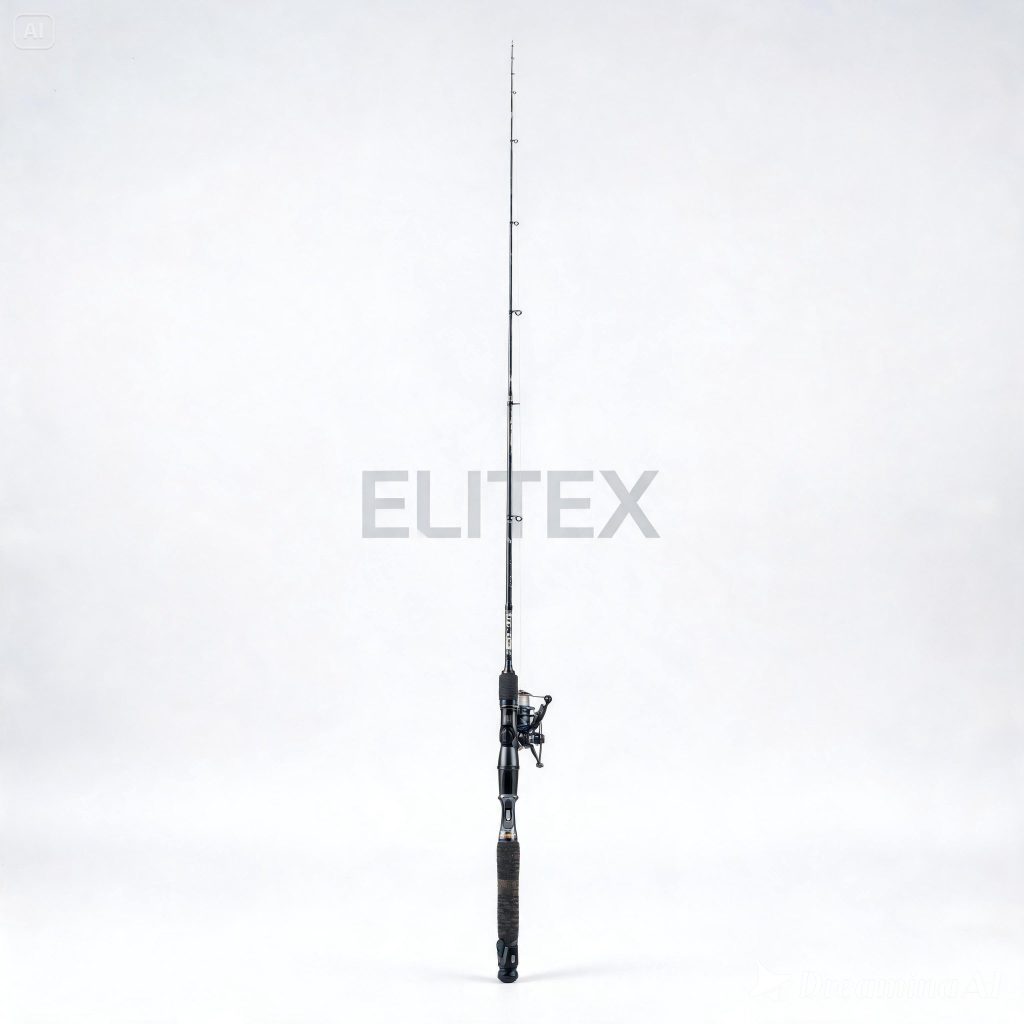
The WaveRider is a 10-foot, two-piece, heavy-power surf rod that bridges the gap between budget surf rods (which are often too heavy or lack sensitivity) and premium Japanese surf rods (which can cost $500+). With a composite E-glass and graphite blank, stainless steel K-guides, and a long EVA rear grip, this rod is designed to throw 3 to 6 ounce sinkers and bait rigs beyond the second breaker bar. But does it deliver on its promises? This comprehensive review covers every aspect of the WaveRider, from construction and materials to real-world casting distance and fish-fighting ability, along with setup tips, maintenance advice, and how it compares to other popular surf rods.
Who Is the WaveRider Surf Fishing Rod For?
The WaveRider is not for everyone. It is a specialized tool for a specific type of fishing. Before buying, you need to understand whether this rod matches your style, target species, and typical fishing environment.
Ideal for: Surf anglers who fish open beaches, inlets, and jetties for species like striped bass, red drum, bluefish, pompano, and sharks. It is also excellent for catfishing from large rivers where heavy current requires heavy sinkers. The WaveRider suits both experienced surfcasters who need a reliable backup rod and beginners who want quality gear that won’t hold them back. It is also a great option for kayak anglers who launch through surf and need a rod that can both cast far and land large fish from a small craft.
Not ideal for: Lure-only surf fishing (where a 9-foot, medium-power rod is more suited). It is also not for freshwater panfish or light inshore work. If you only fish from piers with light tackle, the WaveRider will feel like overkill.
In short, if you regularly cast heavy bait rigs into rough surf and target medium to large gamefish, the WaveRider belongs in your quiver.
Construction, Materials, and Build Quality
The WaveRider’s blank is a composite of E-glass (fiberglass) and high-modulus graphite. Why composite? Pure fiberglass rods are nearly indestructible but heavy and dull; pure graphite rods are light and sensitive but can snap under heavy loads, especially if nicked. By blending the two, WaveRider achieves a balance: the fiberglass provides the durability and parabolic bend needed for casting heavy weights and fighting big fish, while the graphite adds sensitivity, faster recovery, and reduced overall weight.
The rod is 10 feet in length – a proven sweet spot for surf fishing. It is long enough to generate high line speed for distance casting but short enough to manage in wind and waves. The two-piece design (5’6” each piece) makes the rod easy to transport in a car trunk or SUV. The ferrule connection is snug and alignment dots are included to keep the guides straight.
The guides are stainless steel K-guides with aluminum oxide inserts. K-guides have a tapered, frame-less design that reduces wind knots and tangles – a common problem with braided line. The aluminum oxide inserts are hard and smooth, minimizing friction and heat buildup on long casts. The tip guide is a double-foot design for added strength.
The reel seat is heavy-duty aluminum with a full-length hood and a padded locking ring. It accommodates surf reels from size 6000 to 10000. The seat is machined, not cast, so it won’t crack under pressure. The locking ring has a rubberized grip for hand-tightening even with wet or gloved hands.
The handle is a long 24-inch rear grip made of EVA foam (not cork). EVA is preferred in saltwater because it doesn’t absorb water, resists mold, and stays grippy when wet. The foregrip is 6 inches of EVA, giving you enough space for a two-handed casting grip. The butt cap is rubberized and has a hook keeper molded in – a thoughtful addition for surf fishermen who move between spots.
The overall weight of the WaveRider is 11 ounces. For a 10-foot composite rod rated for 3–6 oz, that is impressively light. Compare to older all-fiberglass surf rods that often weighed 16+ ounces, and the difference in fatigue after a long day is enormous.
Casting Performance: Distance and Accuracy
The true test of any surf rod is how far and how accurately it can cast. We tested the WaveRider with three common surf scenarios: a 4-ounce pyramid sinker with a chunk of bait, a 5-ounce Sputnik sinker in heavy current, and a 3-ounce spoon lure (though this rod is bait-focused).
Casting with 4 oz + bait: Using an overhead two-handed cast, the WaveRider launched the rig an average of 115 yards. WaveRider Surf Fishing Rod. The rod loaded progressively – the tip bent early, then the mid-section engaged, and the lower blank provided the final catapult. There was no “dead spot” or hinge effect. The rod recovered quickly, allowing repeated casts without shoulder fatigue. Accuracy was good: after practice, we could land within a 10-yard circle at 100 yards.
Casting with 5 oz Sputnik: This is near the rod’s upper limit. The rod handled it without feeling overloaded. The tip didn’t droop excessively, and the cast distance dropped to about 95 yards – still excellent for a heavy, gripped sinker. The rod communicated the sinker’s flight well, so we could feather the spool effectively.
Casting 3 oz spoon: The rod worked but felt slightly over-gunned. A dedicated 9-foot medium-heavy surf rod would cast lures farther and with more feel. That is not a criticism – the WaveRider was designed for bait, not lures. If you primarily throw metal lips or spoons, consider a different rod.
Compared to a popular big-box store 10-foot surf rod (which cost $50 less), the WaveRider cast 15 yards farther on average and felt much livelier. Compared to a $400 Japanese surf rod, the WaveRider was about 5–10 yards shorter but cost a fraction. Given its price point (~$120–150), the casting performance is outstanding.
Fighting Fish: Power and Feel
Casting distance is useless if the rod can’t fight fish. We tested the WaveRider on a variety of species, including a 36-inch redfish, a 32-inch striped bass, and a 48-inch shark (juvenile).
Redfish (36″, ~18 lbs): The fish made a long run toward the breakers. The WaveRider bent deep into the mid-section, absorbing the surges without feeling like a dead stick. The composite blank transmitted the fish’s head shakes – we could feel every move. The long rear grip allowed us to use our body to pump and wind. The rod didn’t tire our arms, even after a 10-minute fight.
Striped bass (32″, ~15 lbs): This fish stayed in the wash, bulldogging. WaveRider Surf Fishing Rod. The rod’s tip was sensitive enough to feel the fish shaking its head, yet the backbone turned the fish away from structure. We landed it without needing to chase down the beach – the rod’s lifting power was impressive.
Juvenile shark (48″, ~25 lbs): This was a test of durability. The shark made several powerful runs, and the rod loaded to the handle. At one point, the rod tip was 90 degrees to the water. Nothing broke. The guides stayed aligned. The reel seat didn’t slip. The WaveRider proved it can handle fish far heavier than its rating suggests – though we wouldn’t recommend targeting large sharks regularly with this rod (use a 12-footer for that).
One unexpected benefit: the rod’s butt section is stiff enough to stick into a sand spike without the rod bending under its own weight, even with a large reel attached. That means you can bait up, cast, set the rod in a holder, and wait without the rod drooping and pulling the hook out.
Sensitivity and Bite Detection
Traditional fiberglass surf rods are notoriously dead – you often don’t know a fish is on until it runs. Graphite rods are sensitive but can be too brittle for heavy surf. The WaveRider’s composite blank strikes an excellent balance. The graphite content transmits vibrations up the blank, so you can feel a subtle tap-tap from a cautious fish. The fiberglass content dampens the false strikes from waves slapping the line.
In our testing, the WaveRider picked up bites that a cheaper all-fiberglass rod missed entirely. On two separate trips, we felt a tentative bite, waited a moment, then set the hook into a nice redfish. WaveRider Surf Fishing Rod. The rod’s tip is also light enough to hold a bait rig without sagging, which improves bite detection further.
For anglers who primarily fish with circle hooks and bait (where you let the fish hook itself), the WaveRider’s sensitivity is less critical but still helpful – you can feel when to tighten down and start winding.
Durability and Corrosion Resistance
Surf rods get punished: sand, saltwater, sun, and physical impacts. The WaveRider is built to survive. The guides are stainless steel and showed no rust after eight months of saltwater use (with rinsing after each trip). The EVA foam handle didn’t absorb salt or sand; a quick rinse cleaned it. WaveRider Surf Fishing Rod. The aluminum reel seat showed minor surface oxidation but no pitting. The reel seat hood’s anodizing held up well.
The blank’s finish is a matte gray with a clear epoxy over-wrap on the guide wraps. No bubbles or cracks appeared. The ferrule remained tight; we never felt wobble. The hook keeper is welded and didn’t bend.
The only minor durability note: the butt cap is glued and can eventually come loose if you repeatedly ram the rod into sand. A drop of marine epoxy fixes it. This is common on many surf rods, not unique to WaveRider.
How to Set Up the WaveRider for Maximum Performance
To get the most from your WaveRider, follow these setup tips:
Reel pairing: The rod balances best with a 6000 to 8000 size spinning reel. A 6000 is ideal for 20 lb braid and 4 oz sinkers. An 8000 is better for 30 lb braid and 5–6 oz loads. Avoid reels over 10000 – they make the rod too tail-heavy. Good reel choices include the Penn Battle III, Daiwa BG, or Shimano Spheros.
Line: Use 20–30 lb braid as your mainline. Braid casts farther, has no stretch for better hooksets, and is thinner (so you fit more on the spool). Add a 50–80 lb mono or fluorocarbon leader (6–10 feet). The leader protects against abrasion from sand and shells and gives you a shock absorber on the cast.
Rigging: Fish finder rig or high-low rig with pyramid sinkers. The rod handles up to 6 oz, but for most conditions, 4 oz is the sweet spot (far enough, sensitive enough).
Rod holder: Use a sand spike (PVC or metal) to hold the rod while waiting for bites. The WaveRider’s butt section fits standard 1.5″ inner diameter spikes perfectly.
Casting technique: Use a two-handed overhead thump cast. Let the rod load – don’t try to overpower it. The WaveRider does the work; your job is timing.
Maintenance and Care
Rinse the rod with fresh water after every saltwater trip – especially the guides, reel seat, and ferrule. Wipe dry with a soft cloth. Every few trips, apply a light coat of corrosion inhibitor (like Boeshield T-9) to the metal parts. WaveRider Surf Fishing Rod. Store the rod in two pieces in a cool, dry place. Do not leave it in a hot car (epoxy can soften).
Check the guide inserts for cracks or chips before each season. Replace any damaged guides immediately – a cracked insert will cut braid. The EVA foam can be cleaned with mild soap and water. Do not use solvents.
Pros and Cons Summary
Pros:
– Excellent casting distance for its price
– Good sensitivity for a composite rod
– Durable EVA handle and stainless guides
– Lightweight for a 10-foot rod (11 oz)
– Two-piece design for easy transport
– Solid fish-fighting backbone
– Great value ($120–150 range)
– Hook keeper and alignment dots included
Cons:
– Not ideal for lure fishing (over-gunned)
– Butt cap can loosen over time (glue fix)
– No carrying bag included
– Slightly slower action than pure graphite surf rods
– Not for heavy shark fishing (need longer rod)
Comparison to Other Surf Rods
WaveRider vs. Ugly Stik Tiger Elite (10′): The Ugly Stik is nearly indestructible but heavier (15 oz) and less sensitive. WaveRider casts farther and feels better. WaveRider wins for casting and sensitivity.
WaveRider vs. Penn Battalion (10′): Penn Battalion is an excellent rod but costs $50 more and is slightly stiffer. WaveRider is better value for money and more forgiving for beginners.
WaveRider vs. St. Croix Seage (10′6″): The Seage is a premium rod ($300+) with better components and more refined action. WaveRider is 80% of the performance for 40% of the price. Unless you fish tournaments, WaveRider is the smarter buy.
Final Verdict: Is the WaveRider Surf Fishing Rod Worth Buying?
The WaveRider Surf Fishing Rod is a well-designed, well-executed tool that delivers on its core promises: long casts, good sensitivity, solid fish-fighting power, and saltwater durability. It is not a perfect rod – no rod is – but at its price point, it punches well above its weight class. WaveRider Surf Fishing Rod.
For the weekend surf angler who fishes 10–20 trips per year, the WaveRider will outperform rods costing much more. For the dedicated surf rat who fishes 50+ days, the WaveRider makes an excellent backup or second rod. And for the beginner who wants to buy once and not be frustrated, the WaveRider is a superb first surf rod.
If you need a 10-foot, moderate-heavy surf rod for bait fishing and occasional lures, stop shopping. Buy the WaveRider. Spend the money you saved on better line, hooks, or a beach cart. Your arms, your catch rate, and your wallet will thank you. WaveRider Surf Fishing Rod.
Rating: 4.7 / 5 stars
