Post
How Artificial Lures Help Anglers Catch More Fish Efficiently
Jun
How Artificial Lures Help Anglers Catch More Fish Efficiently
Introduction
Fishing has evolved significantly over the years, with advancements in equipment, technology, and techniques helping anglers become more effective than ever before. Among the most important innovations in modern fishing are artificial lures. Designed to imitate the appearance, movement, sound, and behavior of natural prey, artificial lures have become an essential tool for both recreational and professional anglers.
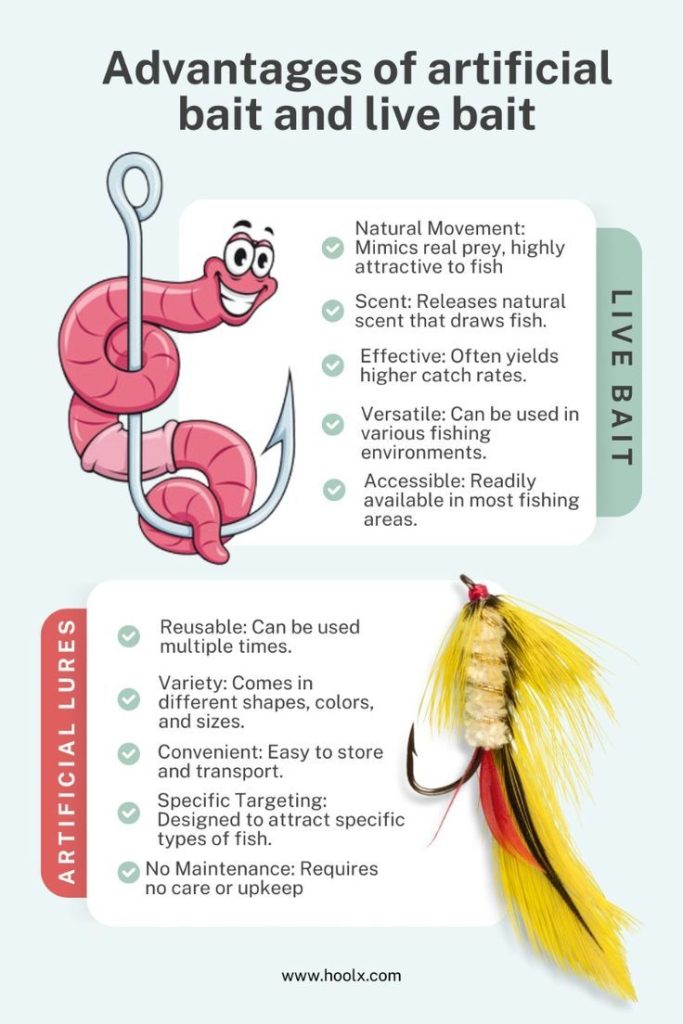
Unlike live bait, artificial lures offer versatility, durability, convenience, and the ability to target specific fish species under various conditions. From freshwater lakes and rivers to offshore saltwater environments, anglers use artificial lures to attract fish by triggering their feeding instincts, territorial behavior, or reaction strikes. Modern lure designs incorporate realistic colors, lifelike movements, reflective finishes, rattles, scent technology, and advanced materials that increase their effectiveness.
Whether targeting bass, trout, pike, walleye, redfish, snook, tuna, or countless other species, artificial lures provide anglers with the flexibility to adapt to changing water conditions and fish behavior. This comprehensive guide explores how artificial lures help anglers catch more fish efficiently while highlighting the advantages, types, and techniques associated with their use.

What Are Artificial Lures?
Artificial lures are man-made fishing baits designed to imitate prey that fish naturally consume.
Depending on the design, a lure may resemble:
- Small fish
- Insects
- Crustaceans
- Frogs
- Worms
- Squid
- Other aquatic creatures
The goal is to trigger a fish’s instinctive response and encourage it to strike.
Why Artificial Lures Are Popular
Artificial lures have become increasingly popular because they offer several advantages over live bait.
Key Benefits
Convenience
No need to maintain live bait.
Reusability
Can be used repeatedly.
Versatility
Suitable for multiple fishing techniques.
Efficiency
Cover large areas of water quickly.
These benefits make artificial lures a favorite choice among anglers worldwide.
How Artificial Lures Attract Fish
Artificial lures work by stimulating one or more of a fish’s senses.
Visual Attraction
Many lures feature:
- Realistic colors
- Reflective finishes
- Natural patterns
These visual cues imitate prey and attract attention.
Movement and Action
Fish often respond strongly to movement.
Artificial lures are designed to:
- Wiggle
- Vibrate
- Dive
- Dart
- Swim naturally
Realistic action increases strike potential.
Sound and Vibration
Many modern lures include internal rattles.
Benefits include:
- Increased visibility in murky water
- Enhanced attraction
- Greater detection by predatory fish
Sound can play a major role in triggering strikes.

Covering More Water Efficiently
One of the biggest advantages of artificial lures is their ability to cover large areas quickly.
Benefits
Locate Active Fish Faster
Search efficiently.
Explore Different Depths
Target fish throughout the water column.
Test Multiple Conditions
Adapt rapidly.
Increase Fishing Opportunities
Present more casts during a session.
Efficiency often translates into more catches.
Types of Artificial Lures
Understanding lure categories helps anglers choose the right option for specific situations.
Crankbaits
Crankbaits imitate baitfish and are among the most versatile lure types.
Characteristics
Diving Action
Reach specific depths.
Vibrating Movement
Create realistic swimming motion.
Wide Species Appeal
Attract numerous predator fish.
Crankbaits are highly effective for covering water quickly.
Spinnerbaits
Spinnerbaits feature rotating blades that create flash and vibration.
Advantages
High Visibility
Attract fish from a distance.
Weed Resistance
Perform well around vegetation.
Versatility
Suitable for multiple conditions.
They are particularly effective for bass fishing.
Soft Plastic Lures
Soft plastics mimic worms, baitfish, crawfish, and other prey.
Benefits
Realistic Appearance
Closely resemble natural food sources.
Flexible Presentation
Support multiple rigging methods.
Wide Species Compatibility
Effective in both freshwater and saltwater.
Soft plastics are among the most popular lure categories.
Topwater Lures
Topwater lures create action on the water’s surface.
Advantages
Exciting Strikes
Provide visual excitement.
Strong Attraction
Trigger aggressive responses.
Effective During Active Feeding Periods
Particularly useful during low-light conditions.
Topwater fishing is often considered one of the most thrilling techniques.
Jigs
Jigs are versatile lures used in many fishing environments.
Benefits
Excellent Bottom Presentation
Target structure-oriented fish.
Versatility
Work in shallow and deep water.
Realistic Action
Imitate various prey species.
Jigs consistently produce results across multiple species.
Swimbaits
Swimbaits are designed to imitate natural baitfish.
Advantages
Realistic Swimming Motion
Attract predator fish.
Multiple Sizes Available
Match local forage.
Effective for Trophy Fish
Target larger predators.
Swimbaits are increasingly popular among serious anglers.
Improving Fishing Efficiency
Artificial lures help anglers maximize productivity.
Benefits
Faster Presentation Changes
Adapt quickly.
Reduced Bait Maintenance
Save time.
Increased Casting Frequency
Cover more water.
Greater Flexibility
Respond to changing conditions.
Efficiency often leads to better results on the water.
Targeting Specific Fish Species
Different lures excel for different species.
Bass
Often respond to:
- Spinnerbaits
- Crankbaits
- Soft plastics
- Topwater lures
Trout
Frequently strike:
- Small spinners
- Spoons
- Soft plastics
Pike and Muskie
Prefer:
- Large swimbaits
- Spinnerbaits
- Topwater lures
Saltwater Predators
Common choices include:
- Jigs
- Swimbaits
- Metal lures
Matching lure selection to target species improves success rates.
Adapting to Water Conditions
Artificial lures allow rapid adaptation.
Clear Water
Use:
- Natural colors
- Realistic presentations
Murky Water
Use:
- Bright colors
- Strong vibration
- Loud rattles
Deep Water
Use:
- Heavy jigs
- Deep-diving crankbaits
Versatility is a major advantage of artificial lures.
Seasonal Advantages of Artificial Lures
Fish behavior changes throughout the year.
Spring
Focus on spawning-related activity.
Summer
Target active feeding periods.
Fall
Capitalize on aggressive feeding.
Winter
Use slower presentations.
Artificial lures allow anglers to adjust techniques seasonally.
Cost-Effectiveness Over Time
Although artificial lures often require a higher initial investment than live bait, they can provide long-term value.
Benefits
Reusable Design
Multiple fishing trips.
Reduced Bait Costs
Lower ongoing expenses.
Longer Lifespan
High-quality lures can last for years.
Many anglers find artificial lures economical over time.
Environmental Considerations
Artificial lures can reduce dependence on live bait harvesting.
Potential Benefits
Reduced Pressure on Bait Populations
Support ecosystem balance.
Improved Convenience
Eliminate storage concerns.
Greater Sustainability
Encourage responsible fishing practices.
Responsible lure use contributes to environmental stewardship.
Technology and Innovation in Artificial Lures
Modern lure technology continues advancing rapidly.
Recent innovations include:
Realistic 3D Finishes
Improve visual appeal.
Enhanced Swimming Actions
Increase realism.
Internal Rattle Systems
Boost attraction.
Scent-Infused Materials
Provide additional triggers.
Technology continues improving lure effectiveness.
Common Mistakes When Using Artificial Lures
Avoid these common errors:
Using Only One Retrieval Speed
Vary presentations.
Ignoring Water Conditions
Adapt lure choices.
Choosing the Wrong Size
Match local forage.
Lack of Experimentation
Try different colors and actions.
Flexibility often leads to better fishing success.
Tips for Maximizing Success with Artificial Lures
Match the Hatch
Imitate natural prey.
Vary Retrieval Speeds
Experiment frequently.
Adjust Colors
Match water clarity.
Cover Different Depths
Find active fish.
These strategies improve efficiency and catch rates.
Long-Term Benefits of Using Artificial Lures
Consistent use of artificial lures can help anglers:
Catch More Fish
Improve success rates.
Fish More Efficiently
Cover water quickly.
Develop Advanced Skills
Learn fish behavior.
Adapt to Changing Conditions
Increase versatility.
These benefits contribute to greater fishing success and enjoyment.
Conclusion
Artificial lures have revolutionized modern fishing by providing anglers with an efficient, versatile, and highly effective way to catch fish. Through realistic designs, advanced materials, lifelike actions, and the ability to imitate a wide variety of natural prey, artificial lures help anglers attract fish across diverse environments and conditions.
From crankbaits and spinnerbaits to soft plastics, swimbaits, jigs, and topwater lures, each category offers unique advantages that allow anglers to target specific species and adapt to changing circumstances. Their reusability, convenience, and efficiency make them valuable tools for both beginners and experienced fishermen.
By understanding how artificial lures work and learning when and how to use them effectively, anglers can increase catch rates, improve fishing efficiency, and enjoy more productive and rewarding experiences on the water. Artificial lures are more than just fishing accessories—they are essential tools that help anglers fish smarter, adapt faster, and catch more fish.
